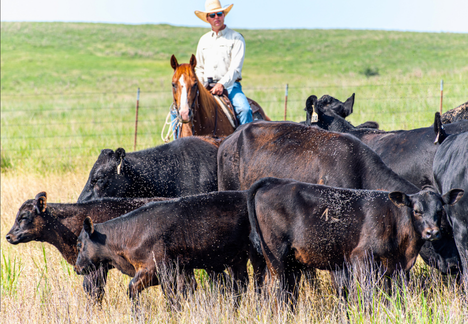
A happy cow is a productive cow. Productive cattle spend more time grazing, gaining weight, producing milk, and contributing to the overall profitability of an operation.
But as summer temperatures rise, heat stress can begin changing cattle behavior long before noticeable production losses appear. Recognizing these behavioral changes early can help ranchers respond faster, reduce stress on the herd, and maintain cattle performance throughout the hottest months of the year.
Heat Stress Begins Before Cattle Look "Overheated"
Certain cattle behaviors are often the first indicator that they are trying to cope with heat stress. This doesn't always mean cattle are collapsing or heavily panting. As heat load gradually builds throughout the day, subtle behavioral changes can become more noticeable.
Cattle are most comfortable within their thermoneutral zone, the temperature range where they can maintain normal body temperature without expending extra energy to cool down or stay warm. For many cattle, this range generally falls between 41°F and 75°F, although breed, humidity, hair coat, wind exposure, shelter, and diet can all influence heat tolerance.
Once temperatures rise above this range, cattle must begin diverting energy toward heat dissipation. Increased respiration, changes in blood flow, reduced activity, and altered grazing behavior all help the animal regulate body temperature, but this extra effort increases energy demands and reduces what's available for growth, milk production, reproduction, and overall performance.
Early Behavioral Signs Ranchers Should Watch For
One of the first indicators of heat stress in cattle is reduced grazing. During periods of high heat, cattle will often spend less time grazing during the hottest parts of the day and shift more of their feeding activity toward early morning, evening, or nighttime hours. While this behavior helps reduce heat load, it can also reduce overall feed intake and impact weight gain or milk production over time.
Cattle will also seek out shade, shelter, and water areas, places that are less likely to have high-quality feed. They will stand longer and, if accessible, wade into ponds or waterways to cool off.
As heat stress intensifies, respiration rates often increase. Open-mouth breathing, excessive panting, drooling, and extended neck posture are all signs that cattle are struggling to regulate body temperature. Producers may also observe cattle bunching together, especially when heat stress is combined with heavy fly pressure. Horn flies and other biting pests increase irritation and movement within the herd, adding additional stress during hot weather.
Why These Behavioral Changes Matter
These behavioral shifts aren't just temporary inconveniences. Reduced grazing translates into less feeding, which can reduce weight gain, milk production, and overall performance. Increased standing can also contribute to fatigue and hoof stress over time.
As cattle experience heat stress, more energy must be redirected toward cooling mechanisms like increased respiration and heat dissipation. That means less energy is available for growth, reproduction, milk production, and feed efficiency. Prolonged stress can also place additional strain on the immune system and overall herd health.
Tips for Reducing Heat Stress in Cattle
While producers can't control the weather, small adjustments in water access, shade, handling schedules, and fly control can make a meaningful difference in herd performance.
Water availability is one of the most important factors. Heat-stressed cattle can dramatically increase their water consumption during summer, especially during periods of high humidity. Producers should ensure water sources are clean, accessible, and large enough to prevent overcrowding.
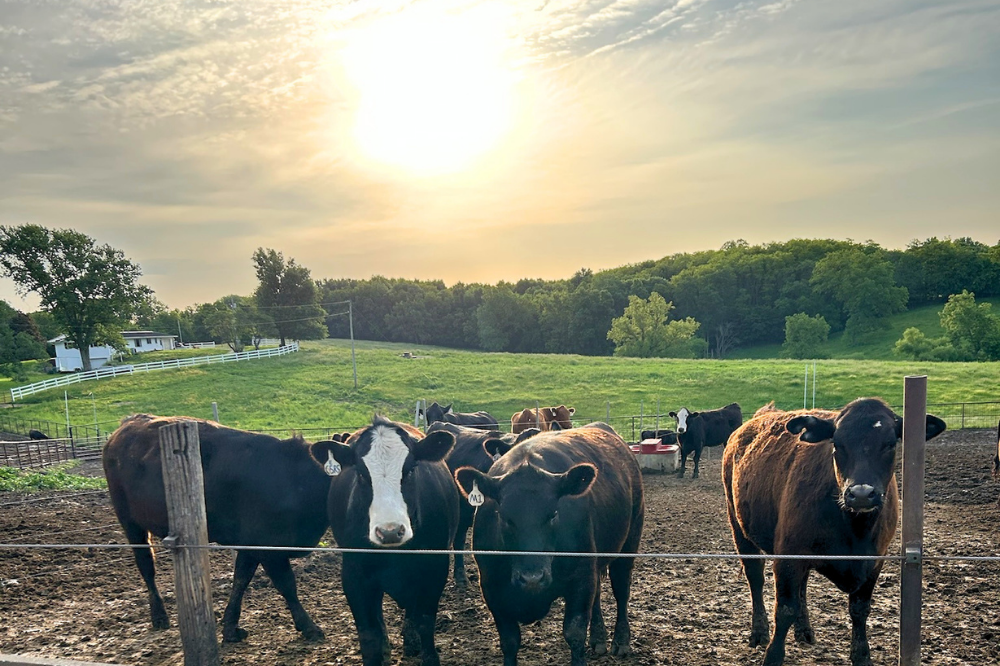
Providing shade and improving airflow can also help cattle dissipate heat more efficiently. Trees, portable shade structures, and open areas with natural wind movement reduce heat accumulation during the day. In confined areas, minimizing mud and manure buildup helps as well, since both can retain heat and add to cattle discomfort.
Handling schedules matter too. Processing, transporting, or working cattle during the hottest parts of the day places additional strain on animals already trying to regulate body temperature. Whenever possible, handle cattle during cooler morning hours and limit unnecessary movement during extreme heat events.
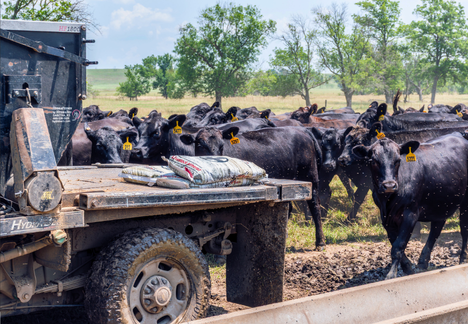
Fly control is another important part of reducing overall summer stress. Horn flies and other biting pests increase irritation and movement within the herd, forcing cattle to spend more energy fighting pests instead of grazing or resting. Feed-through fly control products like Altosid® IGR can help reduce horn fly populations and support overall cattle comfort during the summer months.
Heat stress can quietly impact your herd's performance. If you're looking for the early warning signs and proactively managing your herd to stay cool, you can keep cattle comfortable and productive throughout the summer.