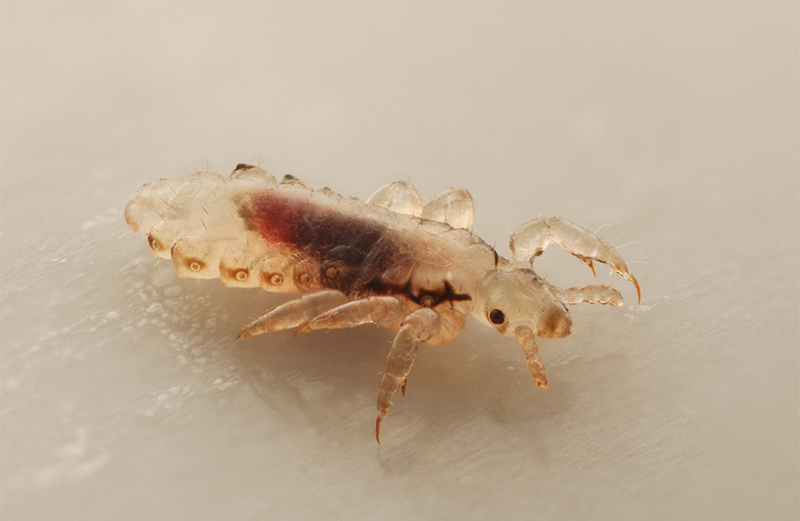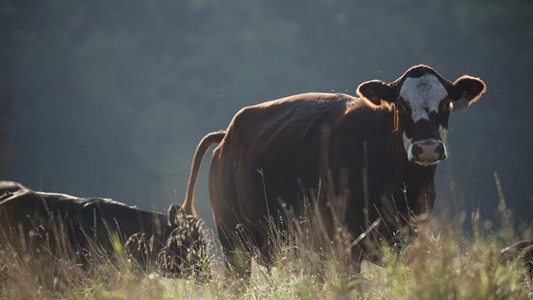
Lice infestations do more than just irritate your herd; they actively drain your profits. The constant discomfort caused by these pests leads directly to reduced weight gains and dropped milk production. While horn flies are a constant summer battle, true herd protection requires prioritizing lice control before performance suffers.
Let's take a deeper look into lice, how to identify an infestation within your pasture, and how to protect against them.
Where to Look for Lice on Beef Cattle
Lice infestations on livestock can vary depending on the type of animal and the specific lice species involved. Lice are more likely to be found in areas that are warm, moist, and keep them hidden. Here are the most common areas to look for lice on livestock.
- Neck and Shoulders: The Long-nosed Cattle Louse, Little Blue Cattle Louse, and Short-nosed Cattle Louse
- Back and Tail: The Cattle Tail Louse
- Head, Ears, Nose: The Little Blue Cattle Louse, Short-nosed Cattle Louse, and Biting Louse
- Legs and Underbelly: The Long-nosed Cattle Louse
General Lice Behavior
Understanding how these parasites move is critical to containing them. Keep these biological facts in mind when managing your herd:
- Lice are host-specific
- Lice are always on the same animal
- Lice usually spread through direct contact between hosts
Areas to Treat on the Facility
Effective control requires treating the surrounding environment alongside the animal. Prioritize these high-traffic facility zones:
- Animal housing and shelters
- Bedding and nesting areas
- Feeding and watering areas
- Frequented loafing areas
- Transport and handling equipment
Signs of Lice Infestations
Catching a problem early prevents an operational breakout. Monitor your cattle closely for these shifting behaviors:
- Agitated livestock
- Wounds or sores on livestock
- Restlessness and discomfort in animals
- Weight loss or reduced growth rates
- Rubbing and scratching
Dangers of Lice
Leaving an infestation unchecked leads to systemic operational damage. The long-term risks to your cattle include:
- Discomfort and irritation
- Skin damage and infections
- Anemia
- Impact on reproductive performance
- Spread of disease
- Economic impact
For Proper Lice Protection, Call the Inhibidor™ Insecticidal Pour-On
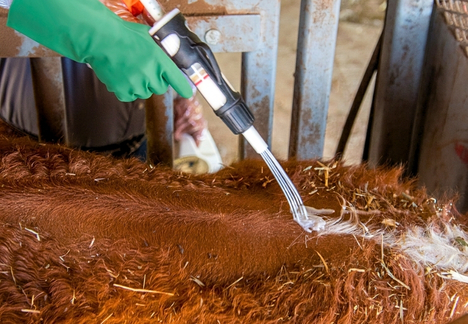
For pastures needing a swift, effective solution against lice, look no further than Inhibidor™ Insecticidal Pour-On from Starbar®. Inhibidor™ Insecticidal Pour-On is a ready-to-use solution for beef cattle and calves to control chewing and sucking lice. It's effective against lice because the adulticide controls the mature lice and the IGR helps prevents the nits from maturing.
This pour-on solution combines an insect growth regulator, adulticide and synergist to achieve long-lasting lice control. It can be applied on-animal and complements Altosid® IGR feed-through fly control solutions, giving operators complete control of a wide variety of pasture insects.
Check out the video below to learn more about why Inhibidor™ Insecticidal Pour-On is the ideal solution for handling lice.